
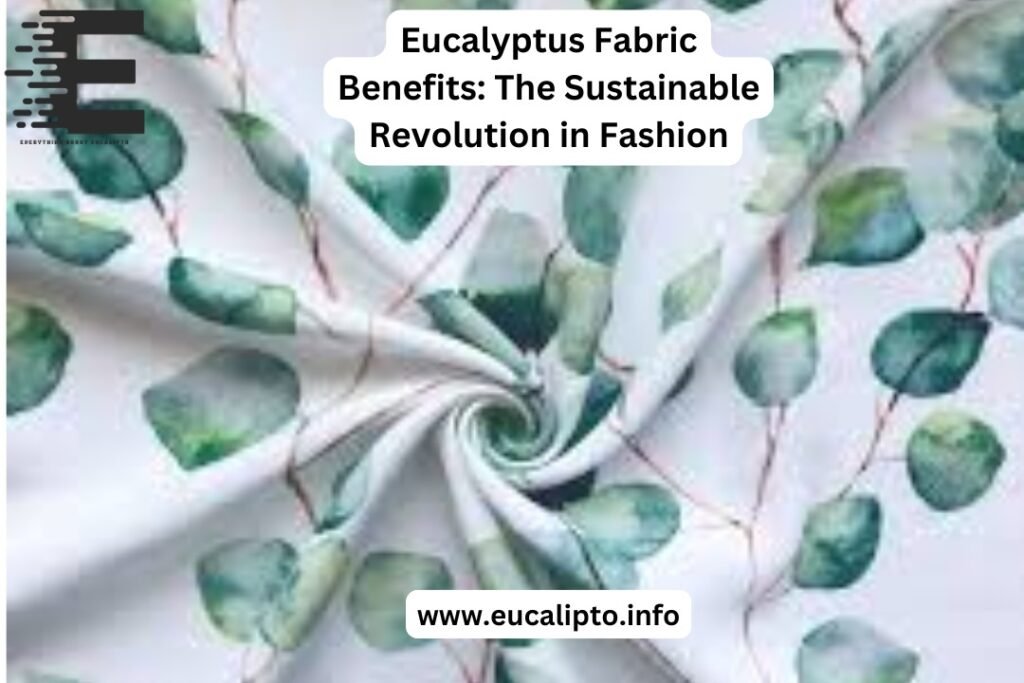
Eucalyptus fabric, often sold under names like lyocell or TENCEL, has quietly become one of the most talked-about materials in sustainable fashion. Made from the pulp of fast-growing eucalyptus trees, it is soft, breathable and kinder to the planet than many conventional fabrics. If you have started seeing it on UK clothing labels and want to know what it offers and how to look after it, this practical guide walks you through the real-world benefits, how to shop for it, and how to keep eucalyptus garments looking their best for years.
Why eucalyptus fabric is winning fans
The appeal of eucalyptus fabric comes down to a rare combination of comfort and conscience. It feels silky and smooth against the skin, drapes beautifully, and is naturally breathable, which makes it pleasant to wear in both warm and cool weather. Just as importantly, it is produced from renewable trees that grow quickly on land unsuitable for food crops, often using far less water than cotton. For a deeper look at the environmental side and how the fibre is made, see our companion guide to eucalyptus fabric in sustainable fashion.
Everyday benefits you will actually notice
Softness and comfort
Eucalyptus fabric is famous for its silky handle. Many people compare it to a blend of cotton and silk, which makes it a popular choice for everything from bed linen to activewear and everyday basics.
Breathability and moisture handling
The fibre is good at moving moisture away from the skin, helping you stay comfortable through the day. This is why it features so often in summer clothing and gentle, skin-friendly garments.
Gentle on sensitive skin
Its smooth surface and breathability make eucalyptus fabric a comfortable option for those who find some materials scratchy. As with any fabric, individual sensitivities vary, so it is worth trying a single item first if you have very reactive skin.
How to shop for eucalyptus clothing in the UK
When buying, check the label for lyocell or TENCEL, and look for brands that share details about their sourcing and production. Certifications relating to responsible forestry and closed-loop manufacturing are a good sign that the fabric lives up to its eco-friendly reputation. Be a little cautious of vague marketing that uses the word natural without any supporting detail. A quality eucalyptus garment should feel smooth and substantial rather than thin or plasticky.
Caring for eucalyptus fabric
Looking after eucalyptus clothing is straightforward and helps it last. Wash on a cool, gentle cycle, ideally inside out and with similar colours, and avoid harsh bleach. A mild detergent protects the soft finish. Skip the tumble dryer where you can, as air drying is kinder to the fibres and saves energy, which keeps the garment in line with its sustainable spirit. A cool iron is usually enough if needed. Treated gently, eucalyptus fabric holds its shape and softness wash after wash.
Bringing eucalyptus into the rest of your home
If you enjoy the calm, natural feel of eucalyptus fabric, you might like to carry that theme through your living space too. The plant’s fresh scent and soft greenery suit relaxed, considered interiors. Our eucalyptus home décor ideas show how to weave the look into a room, while the fresh aroma of eucalyptus essential oil can complete the effect with a clean, restful fragrance.
Frequently asked questions
Is eucalyptus fabric the same as lyocell?
Lyocell is the type of fibre, and much of it is made from eucalyptus pulp. TENCEL is a well-known branded version of lyocell, so the terms are closely related.
Does eucalyptus fabric shrink?
It is fairly stable when washed correctly. Using a cool wash and air drying greatly reduces the risk of shrinkage compared with hot washes and tumble drying.
Is it really more sustainable than cotton?
When produced responsibly in a closed-loop system, it typically uses less water and land than conventional cotton, though the overall impact still depends on the individual manufacturer.
How eucalyptus fabric is made
Understanding how the fabric is produced helps explain why it feels and performs the way it does. Wood from sustainably grown eucalyptus trees is broken down into a pulp, which is then dissolved using a non-toxic solvent and spun into fine fibres. The standout feature is the closed-loop process used by responsible manufacturers, in which the solvent is captured and reused again and again rather than being released as waste. This recycling of the production chemicals is a big part of why eucalyptus fabric is considered one of the cleaner options in modern textiles. The fibres are then spun into yarn and woven or knitted into the soft, smooth fabric you find in shops.
Because the raw material comes straight from the eucalyptus tree, the same plant that gives us fragrant foliage and essential oil also supports this growing corner of sustainable fashion. If you are curious about the wider uses of the plant behind the fabric, our guide to eucalyptus leaves benefits and uses explores the many other ways eucalyptus turns up in everyday life.
Is eucalyptus fabric worth it?
For many shoppers, the answer is yes. You get a soft, breathable, comfortable fabric that is gentle on the skin and, when responsibly made, gentler on the environment too. It tends to sit at a slightly higher price point than basic cotton, but the comfort, durability and lower environmental footprint make it a thoughtful choice for anyone trying to build a more sustainable wardrobe. As with any purchase, buying fewer, better pieces and caring for them well is the most sustainable approach of all, and eucalyptus fabric rewards exactly that kind of considered, long-term ownership.
Explore More Eucalyptus Products
The versatility of eucalyptus extends far beyond fabric. From pure eucalyptus wellness oils and aromatherapy sets to lifelike artificial greenery for home and events, eucalyptus is one of the most useful botanicals you can bring into your life. All products are delivered free across the UK.