
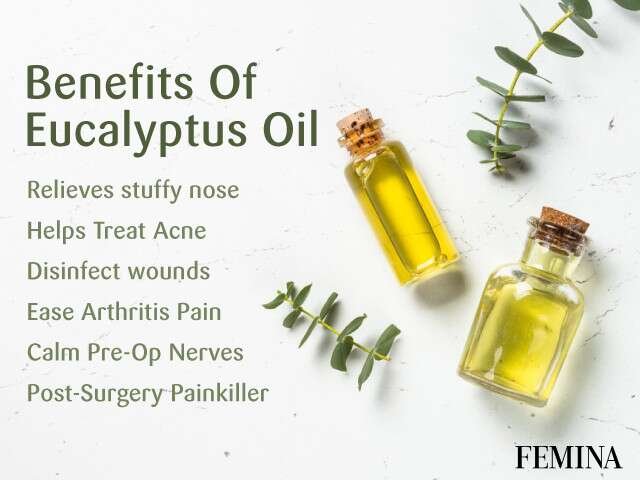
Eucalyptus has a long history of use in respiratory care, and many people in the UK reach for it during the colder months when coughs, colds and blocked sinuses are common. The plant is best known for a natural compound called eucalyptol, also written as 1,8-cineole, which gives eucalyptus its fresh, sharp aroma. While eucalyptus is not a cure for any medical condition, there is reasonable evidence that it can help some people feel that their breathing is clearer and more comfortable. This guide explains what eucalyptus may do, how people use it safely, and when you should speak to a pharmacist or doctor instead.
How eucalyptus is linked to easier breathing
The main reason eucalyptus is associated with breathing is eucalyptol. Research suggests that this compound may help reduce inflammation in the airways and can act as a mild expectorant, which means it may help loosen mucus so it is easier to clear. The cooling sensation that eucalyptus produces can also create a feeling of openness in the nose, even when it is not physically changing how much air passes through. For many people that sensation alone makes breathing feel more comfortable when they have a head cold or a stuffy nose.
It is worth being honest about the limits here. Eucalyptus is a supportive, comforting remedy rather than a treatment for asthma, chest infections or any serious respiratory illness. If you have a long term lung condition, you should always follow the advice of your GP and use eucalyptus only as a pleasant extra rather than a replacement for prescribed medicine.
Common ways people use eucalyptus for breathing
Steam inhalation
One of the most traditional methods is steam inhalation. People add a few drops of eucalyptus essential oil to a bowl of hot, not boiling, water, then lean over it with a towel over the head and breathe gently for a few minutes. The warm steam itself helps moisten the airways, and the aroma adds to the sense of relief. Always keep your eyes closed, keep a safe distance from the water, and never let children do this without close adult supervision.
Diffusers
An electric diffuser is a gentler, more modern option. A few drops in the water tank releases a light, steady aroma into the room, which many people find soothing in the evening or while resting with a cold. Diffusers are easy to control and avoid the risk of hot water, which makes them a popular choice for the home.
Shower and bath
Hanging a small bunch of fresh eucalyptus in the shower is a simple way to enjoy the aroma as the warm water releases its scent. You can also add a single drop of well diluted oil to a bath, although it should never be applied neat to the skin.
Chest balms and rubs
Many over the counter chest rubs contain eucalyptus alongside menthol. These are designed to be applied to the chest so the aroma rises as you breathe. Always follow the product instructions and check the suitability for the age of the person using it.
Safety and sensible precautions
Eucalyptus oil is strong and should always be diluted before it touches the skin. It must never be swallowed, as eucalyptus oil is toxic if taken internally. Keep all essential oils well out of reach of children and pets. Eucalyptus is not recommended for babies and young children near the face, and people who are pregnant or who have epilepsy should check with a healthcare professional before using it. If you notice any irritation, headache or wheezing, stop using it straight away.
You should see a pharmacist or GP rather than relying on eucalyptus if you have a high temperature, breathlessness that worries you, chest pain, or symptoms that last longer than a week or two. Eucalyptus is best thought of as a comforting helper for everyday stuffiness, not a substitute for proper medical care.
The takeaway
Eucalyptus will not magically fix a cold, but for many people it offers genuine comfort when the nose feels blocked and breathing feels heavy. Used carefully through steam, a diffuser, the shower or a chest balm, it can be a pleasant and inexpensive part of your seasonal wellness routine. Choose a quality oil, follow the safety advice, and treat it as a supportive comfort rather than a medicine.
Which method should you choose?
The best method depends on your situation. If you have a heavy cold and want fast, focused relief, a short steam inhalation tends to feel the most powerful because it combines warm moisture with the aroma. If you simply want a calm, low effort way to keep the air pleasant while you rest or sleep, a diffuser is the easier and safer everyday choice. For a gentle lift in the morning, fresh eucalyptus in the shower works well and adds a spa like feel to the bathroom. If you prefer something you can carry with you, a ready made chest balm is convenient and clearly labelled for safe use. Many people use a combination, reaching for steam when symptoms peak and a diffuser the rest of the time.
Frequently asked questions
Can eucalyptus open up a blocked nose instantly?
It can create a strong sensation of clearness very quickly because of the cooling effect of eucalyptol, although this is partly a feeling rather than a large physical change in airflow. For many people that feeling is still very welcome when the nose is stuffy.
Is eucalyptus safe to use every day?
Occasional daily use in a diffuser is fine for most healthy adults, but it is sensible to give yourself breaks and to keep rooms ventilated. If you ever feel lightheaded or notice irritation, reduce how often you use it.
Can I use it around my children?
Take extra care around babies and young children, and avoid applying eucalyptus products near a young child’s face. When in doubt, ask your pharmacist for a product suitable for their age.
Shop Eucalyptus Oils for Breathing and Wellness
If you are looking to support your breathing naturally, our pure essential oils for diffusers UK include eucalyptus and other respiratory-supporting botanicals such as peppermint and tea tree. Explore the full eucalyptus wellness range for oils, gift sets and aromatherapy accessories. Free UK delivery.