
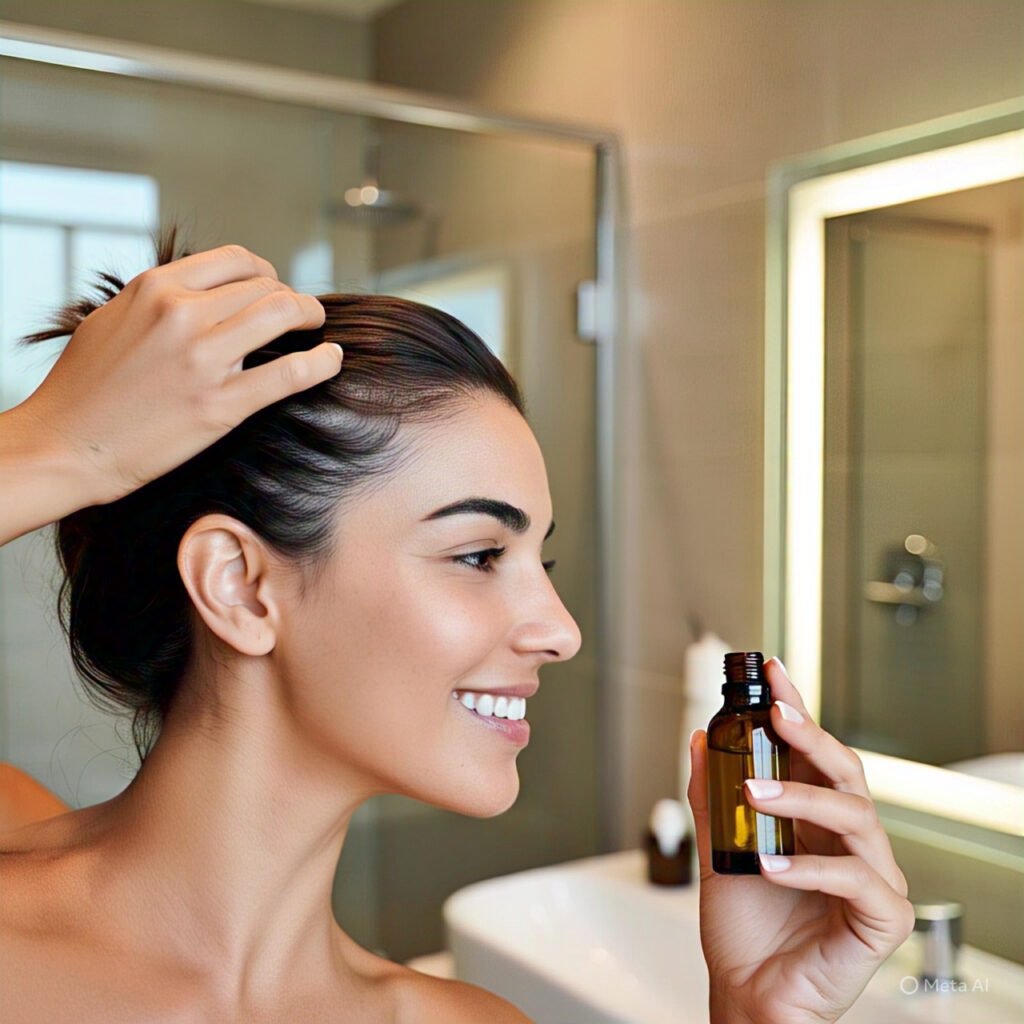
Eucalyptus oil is best known for its fresh aroma and its place in respiratory wellness, but it has also earned a following in natural hair and scalp care. Many people are curious about whether eucalyptus oil can support healthier looking hair, soothe the scalp, or help in the battle against head lice. The honest answer is that eucalyptus can be a pleasant and useful part of a hair care routine, but it is not a miracle treatment and the evidence for some claims is limited. This guide explains what eucalyptus oil may offer for hair and scalp, how to use it safely, and where proven treatments should take the lead.
Eucalyptus oil and the scalp
A healthy scalp is the foundation of healthy looking hair, and this is where eucalyptus is most interesting. The oil has natural cleansing properties and a cooling, refreshing feel that many people enjoy in a scalp massage. A clean, comfortable scalp provides a better environment for hair to grow, so anything that helps you care for the scalp gently can be worthwhile. Eucalyptus also has a long history in natural skincare, and you can read more about the plant’s wider uses in our guide to eucalyptus oil benefits.
Can it really help hair growth?
It is important to be realistic here. There is no strong evidence that eucalyptus oil directly makes hair grow faster or thicker. What it may do is support scalp comfort and circulation through gentle massage, and a soothing, well looked after scalp is simply a better starting point for healthy hair. Think of eucalyptus as a supportive part of a good routine rather than a growth treatment in its own right. If you are concerned about hair loss or thinning, a pharmacist or GP can advise on options that are properly tested.
Eucalyptus oil and head lice
Eucalyptus is sometimes mentioned as a natural option against head lice, and certain essential oils have been studied for this purpose. However, the most reliable way to clear head lice is to use a clinically proven treatment, such as a medicated lotion or thorough wet combing with a fine tooth comb, following the instructions carefully. Eucalyptus should not be relied upon as a standalone lice treatment. If you do want to use it, treat it as an optional extra alongside a proven method, never as a replacement. For children especially, always choose age appropriate products and ask your pharmacist for guidance.
How to use eucalyptus oil on hair safely
Always dilute first
Eucalyptus essential oil is concentrated and should never be applied neat to the scalp or skin. Blend a few drops into a carrier oil such as coconut, almond or jojoba before use. A common approach is a small number of drops per tablespoon of carrier oil.
Do a patch test
Before applying any blend to your scalp, do a patch test on a small area of skin and wait twenty four hours to check for any reaction. This simple step helps you avoid irritation, especially if you have sensitive skin.
Massage gently
Warm the diluted blend slightly between your hands, then massage it into the scalp using gentle circular movements. Leave it on for a short time as directed, then wash out thoroughly with a mild shampoo. Avoid getting oil in the eyes.
Safety and precautions
Eucalyptus oil must never be swallowed, as it is toxic if taken internally, and it should be kept well out of reach of children and pets. Keep it away from the eyes and broken skin. People who are pregnant or who have a health condition such as epilepsy should check with a healthcare professional before use, and eucalyptus is generally not recommended for very young children. If you notice redness, itching or any irritation, stop using it and rinse the area. When in doubt, a pharmacist is always a good source of advice.
Final thoughts
Eucalyptus oil can be a refreshing and pleasant addition to a natural hair and scalp routine, supporting a clean, comfortable scalp through gentle, well diluted massage. It is not a proven hair growth treatment, and it should not replace clinically tested options for head lice. Used sensibly, with dilution and a patch test, it is a lovely way to enjoy the plant as part of looking after your hair and skin.
Building a simple eucalyptus hair care routine
If you would like to make eucalyptus a regular part of your hair care, keep things simple and consistent. Start with a quality pure eucalyptus essential oil and a good carrier oil, and use a gentle scalp massage once or twice a week rather than every day. Pairing the massage with a calm few minutes can make it feel like a small wellness ritual, which is one of the reasons people enjoy aromatherapy so much. If you like the relaxing side of eucalyptus, you may also enjoy our article on eucalyptus benefits for stress relief. To find oils and blends suited to hair, skin and wellness, browse our eucalyptus wellness range, where everything is gathered in one convenient place.
Frequently asked questions
How often should I use eucalyptus oil on my scalp?
Once or twice a week as a diluted scalp massage is plenty for most people. There is no benefit to using it more often, and overuse can increase the chance of irritation.
Can I leave eucalyptus oil in my hair overnight?
It is better to leave a diluted blend on for a short, defined time and then wash it out, rather than leaving a strong essential oil on the skin overnight. Always follow sensible dilution and patch test first.
Is eucalyptus oil safe for children’s hair?
Take great care with children and avoid eucalyptus for very young ones. For lice in particular, use age appropriate, clinically proven treatments and ask your pharmacist before applying essential oils to a child.
Try Pure Eucalyptus Oil for Hair and Skin
Our eucalyptus essential oil UK is pure, therapeutic grade and suitable for blending into carrier oils for scalp treatments, massage and skincare routines. For a wider range of single-note botanical oils to complement your eucalyptus, explore our eucalyptus wellness collection. Free UK delivery on all orders.