
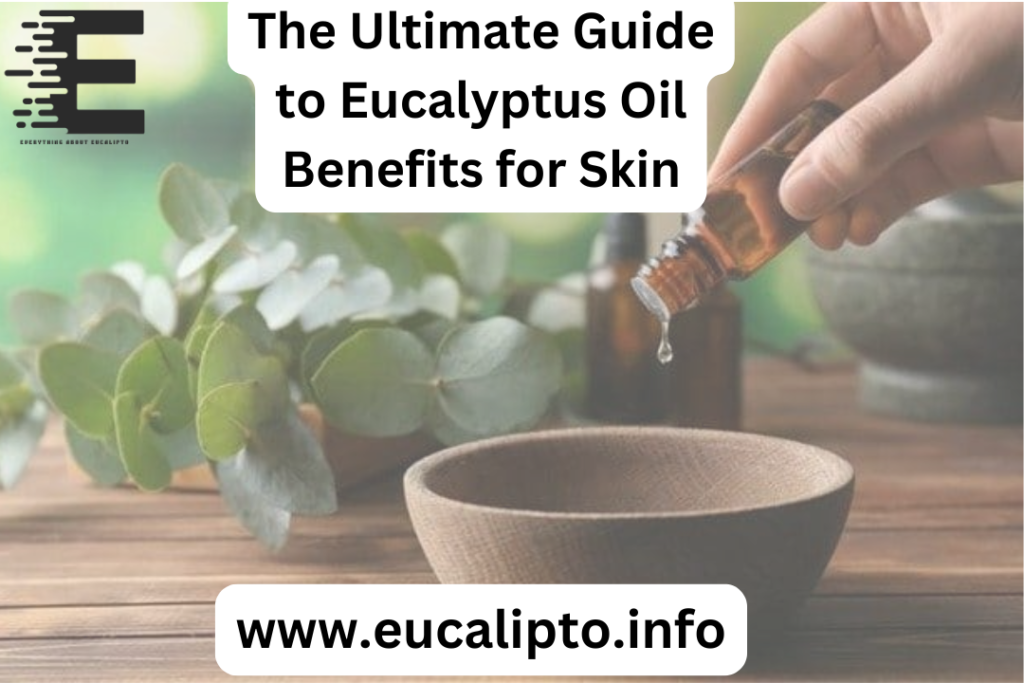
Eucalyptus oil benefits the skin in several practical ways: it has natural cleansing and antibacterial properties that help keep pores clear, soothing qualities that calm irritation and itchiness, and a cooling, aromatic effect that many people find refreshing in their daily routine. When properly diluted in a carrier oil, eucalyptus essential oil can be a gentle addition to skincare for cleansing, soothing minor blemishes and supporting a clear, balanced complexion.
Below is a complete, UK-focused guide to using eucalyptus oil for your skin, including its main benefits, how to use it safely, who should avoid it, and answers to the questions people ask most.
What Is Eucalyptus Oil and Why Is It Used for Skin?
Eucalyptus oil is a natural essential oil steam-distilled from the leaves of the eucalyptus tree, most commonly Eucalyptus globulus. Its main active compound, eucalyptol (also called 1,8-cineole), gives the oil its fresh, camphor-like aroma and is responsible for much of its cleansing and soothing reputation.
In skincare, eucalyptus oil is valued because it is naturally antimicrobial and astringent. That means it can help reduce surface bacteria and tighten the appearance of pores, which is why it appears in many cleansers, toners and spot treatments. Because it is potent, it is always used in small, diluted amounts rather than applied neat to the skin.
Key Benefits of Eucalyptus Oil for Skin
1. Helps Keep Skin Clear and Balanced
Eucalyptus oil’s antibacterial properties make it a popular natural choice for blemish-prone skin. Used in a diluted cleanser or toner, it can help reduce the surface bacteria associated with breakouts while its astringent effect supports a smoother, more refined look.
2. Soothes Irritation and Itchiness
The cooling sensation of eucalyptus can calm minor skin irritation and itchiness. Many people find diluted eucalyptus oil comforting on insect bites or rough, dry patches, where it helps take the edge off discomfort.
3. Supports Natural Cleansing
Thanks to its cleansing action, eucalyptus oil is often blended into facial washes and body cleansers. It helps lift away impurities while leaving behind a fresh, invigorating scent that turns an everyday wash into a spa-like ritual.
4. Adds an Aromatherapy Boost
Skincare is as much about how it feels as how it works. The crisp, woody aroma of eucalyptus is widely used in aromatherapy to promote a sense of clarity and freshness, making it a pleasant addition to evening or post-shower routines.
How to Use Eucalyptus Oil on Your Skin Safely
Eucalyptus essential oil is concentrated, so it should never be applied directly to the skin undiluted. Follow these simple steps to use it safely:
- Always dilute first. Mix 1–2 drops of eucalyptus oil into a teaspoon of carrier oil such as jojoba, sweet almond or coconut oil before applying.
- Patch test before use. Apply a small amount to your inner forearm and wait 24 hours to check for any reaction.
- Use small amounts. A little goes a long way; a 1–2% dilution is plenty for most skincare uses.
- Avoid the eye and lip area. Keep eucalyptus oil away from sensitive areas and mucous membranes.
- Add to a routine, not all at once. Blend it into a facial oil, body lotion or bath soak rather than using it neat.
Who Should Avoid Eucalyptus Oil?
Eucalyptus oil is not suitable for everyone. As a general guide, it should be avoided by young children and infants, and used with caution during pregnancy or breastfeeding unless advised otherwise by a healthcare professional. Anyone with very sensitive skin, eczema or a known allergy should patch test first and stop use if irritation occurs. If you have a medical condition or are unsure, it is always best to check with a qualified professional before adding a new essential oil to your routine.
How to Choose a Quality Eucalyptus Oil in the UK
Not all eucalyptus oils are equal. For skincare, look for an oil that is 100% pure, therapeutic grade and clearly labelled with its botanical name (Eucalyptus globulus). Avoid products described only as “fragrance oil,” which are synthetic and not suitable for skin application. A reputable UK supplier should provide clear sourcing and usage information, and the oil should come in a dark glass bottle to protect it from light.
If you are building a wider routine, you can explore our eucalyptus wellness and fragrance collection for pure oils and complementary botanicals, or learn more about decorating naturally on our fresh and dried eucalyptus page.
Frequently Asked Questions
Can I apply eucalyptus oil directly to my face?
No. Eucalyptus essential oil is highly concentrated and should always be diluted in a carrier oil before applying it to the face or body. Applying it neat can cause irritation.
Is eucalyptus oil good for acne-prone skin?
Eucalyptus oil has natural antibacterial and astringent properties that many people find helpful for blemish-prone skin when used in a properly diluted cleanser or spot treatment. Patch test first, as essential oils can irritate sensitive skin.
Does eucalyptus oil help with dry skin?
Eucalyptus oil itself is not a moisturiser, but when blended into a nourishing carrier oil or lotion it can add a soothing, cooling element to a routine for dry, itchy patches.
What carrier oils work best with eucalyptus oil?
Lightweight carrier oils such as jojoba, sweet almond and fractionated coconut oil blend well with eucalyptus oil and suit most skin types.
Shop Eucalyptus Oil for Skin and Wellness
Ready to add eucalyptus oil to your skincare routine? Our eucalyptus essential oil UK is pure, therapeutic grade and suitable for blending into facial oils, body lotions and bath soaks. For a full range of botanical oils for skin and wellness, explore our eucalyptus wellness collection. Free UK delivery on all orders.